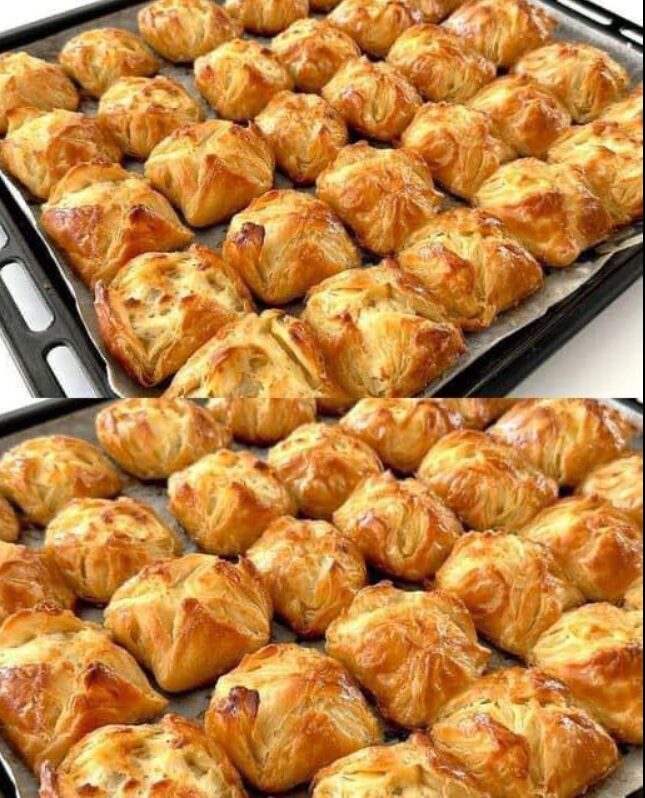
Ingredients
Method
Preparation
- In a large glass bowl, combine the warm water and yeast. Let it sit for about 5 minutes until it becomes foamy. Stir in the honey if you are using it to help with the caramelization of the crust.
- Gradually add the bread flour and sea salt to the yeast mixture. Use a sturdy wooden spoon or your hands to mix until a shaggy dough forms and no dry flour remains.
- Turn the dough onto a lightly floured surface. Knead the dough for about 10 minutes. You are looking for a smooth, elastic texture that passes the "windowpane test," meaning you can stretch a small piece of dough thin enough to see light through it without it tearing.
- Place the dough in a lightly oiled bowl and cover it with a damp cloth. Let it rise in a warm, draft-free area for 90 minutes or until it has doubled in size. This bulk fermentation is crucial for the flavor profile of your hard crust bread recipe.
- Gently punch down the dough to release excess air. Shape it into a tight round boule or an oval loaf. Place it on a piece of parchment paper, cover, and let it proof for another 45 to 60 minutes.
- Preheat your oven to 450°F. Place a heavy Dutch oven or a baking stone inside while the oven heats. If using a baking stone, place a shallow pan on the bottom rack to hold water for steam.
- Using a sharp blade or Lame, score the top of the loaf with a deep X or a long slash. Carefully move the loaf into the hot Dutch oven or onto the stone. If using a pan, pour one cup of hot water into the shallow pan to create steam.
- Bake for 25 minutes with the lid on (or with steam). Remove the lid and bake for another 15 to 20 minutes until the crust is a deep golden brown and the internal temperature reaches 200°F.