
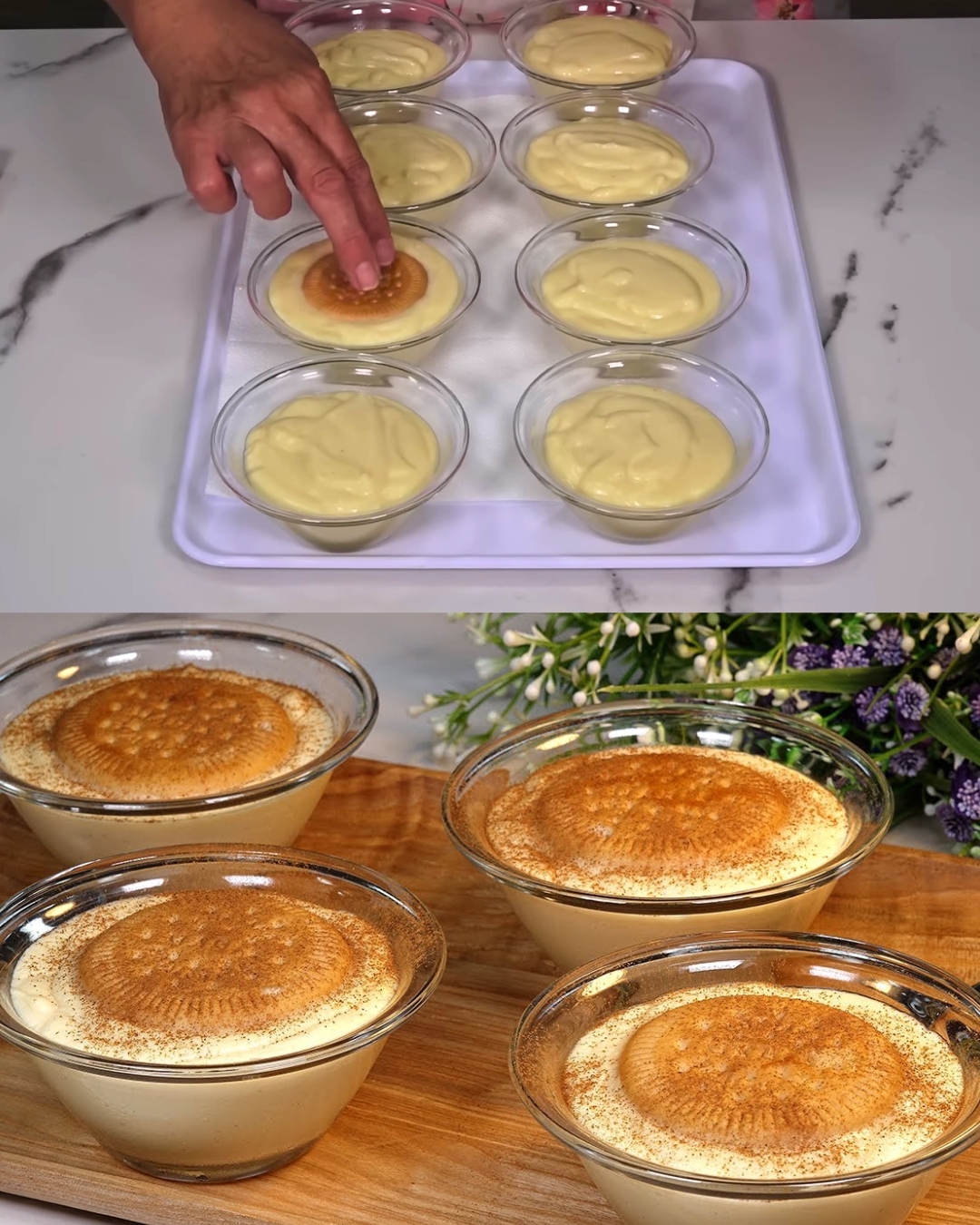
Natillas, a beloved Spanish custard cream, offers a taste of traditional Spanish home cooking in every silky smooth spoonful. This classic dessert is a testament to the power of simple, high-quality ingredients transformed into something truly comforting and elegant. Imagine a velvety, vanilla-scented custard, subtly infused with cinnamon and bright lemon zest, then gently set to a perfect, spoonable consistency. Often crowned with a humble María cookie and a dusting of ground cinnamon, Natillas is more than just a dessert; it’s a nostalgic journey to Spanish grandmothers’ kitchens, a staple in family gatherings, and a soothing treat perfect for any time of day. Its unpretentious charm and rich flavor make it a timeless classic that continues to captivate hearts.
Full Recipe
Ingredients
- 1 liter (4 cups) of whole milk
- 1 Cinnamon stick (about 3-4 inches / 7-10 cm)
- The peel of one large lemon (ensure no white pith)
- 5 large egg yolks
- 120g (1/2 cup) of granulated sugar
- 40g (4 tablespoons) of cornstarch (cornflour)
- 8-10 plain round cookies (such as María cookies), or as many as custard molds
- Ground cinnamon (Amount to taste), for dusting
Directions
- In a medium saucepan, combine 3 cups (750ml) of the milk with the cinnamon stick and the lemon peel. Heat over medium heat, stirring occasionally, until the milk just begins to simmer and steam. Do not bring to a rolling boil. Remove from heat, cover, and let it steep for at least 15-20 minutes to infuse the flavors. This step is crucial for imparting the classic Natillas aroma.
- While the milk is steeping, in a large bowl, whisk together the 5 egg yolks, 120g (1/2 cup) of granulated sugar, and the remaining 1 cup (250ml) of cold milk until well combined and slightly pale.
- Add the 40g (4 tablespoons) of cornstarch to the egg yolk mixture. Whisk vigorously until the cornstarch is completely dissolved and there are no lumps. This creates a smooth slurry that will thicken the custard.
- Once the infused milk has steeped, strain it through a fine-mesh sieve into another clean saucepan or back into the original saucepan (cleaned) to remove the cinnamon stick and lemon peel. Gently reheat the infused milk over medium-low heat until warm but not simmering again.
- Slowly temper the egg yolk mixture: while continuously whisking the egg yolk mixture, gradually pour about half of the warm infused milk into it in a thin, steady stream. Whisk constantly to prevent the eggs from scrambling. This step slowly brings the temperature of the egg yolks up.
- Pour the tempered egg yolk mixture back into the saucepan with the remaining warm infused milk. Place the saucepan back over medium-low heat.
- Cook the mixture, stirring continuously with a wooden spoon or whisk, for 8-12 minutes, or until the custard thickens to your desired consistency. It should be thick enough to coat the back of a spoon. Do not bring to a boil once thickened, as this can cause the custard to curdle.
- Remove the saucepan from the heat immediately.
- Pour the hot Natillas into individual serving bowls or custard molds. If you prefer a perfectly smooth consistency, you can pass the custard through a fine-mesh sieve one last time before pouring into molds.
- Allow the Natillas to cool slightly at room temperature, then place a plain cookie (like a María cookie) on top of each serving. The cookie will soften slightly as it absorbs some of the custard.
- Chill the Natillas in the refrigerator for at least 2-4 hours, or preferably overnight, to allow them to set fully and for the flavors to develop.
- Just before serving, generously sprinkle ground cinnamon over the top of each Natillas portion and cookie.
Nutrients
- Calories: Approximately 250-300 per serving (calculated for 8 servings, highly variable based on milk fat, sugar amount, and cookie type/size)
- Protein: Moderate (from milk and egg yolks)
- Carbohydrates: High (from sugar, milk, cornstarch, cookies)
- Fat: Moderate (from egg yolks, milk, cookies)
- Saturated Fat: Moderate (from milk fat)
- Sugar: High (from granulated sugar, milk lactose, and cookies)
- Fiber: Low
- Vitamins & Minerals: Good source of Calcium (milk), Vitamin A (milk, egg yolks), Vitamin D (fortified milk, egg yolks), and some B vitamins (egg yolks).
Preparation Time
- Prep time: 20 minutes (includes steeping time)
- Cook time: 10-15 minutes
- Cooling & Chilling time: 2-4 hours (minimum), preferably overnight
- Total: Approximately 2.5 – 4.5 hours (mostly chilling time)
About This Recipe: Natillas (Spanish Custard Cream)
Natillas, a culinary emblem of Spanish confectionery, represents the epitome of comforting simplicity and timeless flavor. At its core, this traditional Spanish custard cream is a deceptively simple yet profoundly satisfying dessert crafted from a handful of fundamental ingredients: milk, egg yolks, sugar, and cornstarch. What elevates Natillas beyond a basic custard is its signature aromatic infusion. Prior to thickening, the milk is gently heated with a cinnamon stick and a strip of lemon peel, allowing these fragrant elements to delicately perfume the liquid. This crucial steeping process imparts the characteristic warm, citrusy undertones that define authentic Natillas. The custard is then meticulously prepared by whisking tempered egg yolks and cornstarch into the infused milk, and patiently cooking the mixture over low heat until it reaches a velvety, spoon-coating consistency. The art lies in the gentle heating and continuous stirring, ensuring a smooth, lump-free custard without curdling. Traditionally, Natillas is served chilled in individual bowls, often crowned with a single, humble María cookie (a popular Spanish biscuit) that softens beautifully as it rests on the creamy surface. A final flourish of ground cinnamon dusted generously over the top adds both visual appeal and a final aromatic note, completing this classic dessert. It’s a versatile treat, perfect for any occasion, from a simple family dessert after a meal to a more formal gathering, always evoking a sense of nostalgic comfort and cherished Spanish traditions.
Why You’ll Love This Recipe
You will absolutely adore Natillas (Spanish Custard Cream) for a multitude of compelling reasons that span its delightful taste, comforting nature, and surprising simplicity. Firstly, the velvety smooth texture is undeniably captivating. Each spoonful melts in your mouth, offering a luxurious creaminess that is both rich and delicate, far surpassing the texture of many pre-made custards. Secondly, the subtle yet enchanting flavor profile is truly unique. The gentle infusion of cinnamon and lemon peel creates a warm, aromatic backdrop that highlights the natural sweetness of the milk and eggs, resulting in a perfectly balanced taste that is never overly sweet. Thirdly, Natillas delivers a profound sense of nostalgic comfort. For many, especially those familiar with Spanish cuisine, it evokes cherished memories of childhood, grandmothers’ kitchens, and simple, wholesome desserts enjoyed after family meals. It’s truly a taste of home. Fourthly, despite its sophisticated taste and texture, the recipe is surprisingly straightforward to make. It uses basic pantry ingredients and a technique that, while requiring patience, is not overly complicated, making it accessible even for novice cooks. The result far outweighs the effort. Finally, its versatility makes it a fantastic addition to your dessert repertoire. Whether served as a light end to a heavy meal, a delightful afternoon snack, or a comforting treat on its own, Natillas is always a welcome sight. The way the cookie softens and the cinnamon adds a final aromatic flourish makes each serving a small, perfect indulgence that you’ll want to revisit again and again.
The Origins and Inspiration Behind the Dish
Natillas, or Spanish Custard Cream, holds a revered place in the pantheon of traditional Spanish desserts, with its roots tracing back centuries. The creation of simple custards and milk-based desserts is a common thread across many culinary traditions, particularly in Europe, where dairy and eggs were readily available. However, Natillas distinguishes itself with its characteristic flavor profile, notably the infusion of cinnamon and lemon. This aromatic combination, along with the reliance on sugar, milk, and eggs, points to a strong influence from Moorish cuisine during their long presence in the Iberian Peninsula. The Moors introduced various spices, sugar, and sophisticated pastry-making techniques that deeply impacted Spanish gastronomy. Custard-like preparations were common in Arab cookery, and the use of aromatic spices like cinnamon was widespread. Over time, as ingredients became more accessible and cooking techniques evolved, Natillas became a staple in monasteries and convents across Spain, where nuns often perfected and preserved traditional recipes. These religious houses were often centers of culinary innovation, and many classic Spanish sweets originated within their walls. From these monastic kitchens, Natillas gradually permeated everyday Spanish homes, becoming a beloved comfort food. It evolved as a simple, economical dessert, often made to utilize abundant eggs and milk, served to children and adults alike. Its enduring popularity stems from its comforting familiarity, its delicate flavors, and its role as a humble yet elegant representation of Spain’s rich culinary heritage. The addition of the María cookie on top is a more modern tradition, becoming popular in the 20th century, adding a subtle texture and a convenient edible spoon.
Storage and Reheating Tips
Proper storage is essential to maintain the creamy texture and delicate flavor of Natillas, ensuring you can enjoy this delightful Spanish custard for several days. Once the Natillas has been poured into individual serving bowls or molds and has cooled slightly, it’s crucial to cover each portion tightly with plastic wrap directly touching the surface of the custard. This prevents a “skin” from forming on top and keeps the custard moist and smooth. Once covered, chill the Natillas in the refrigerator for at least 2-4 hours, or ideally overnight, until it is fully set and thoroughly cold. Properly stored in an airtight container or covered tightly with plastic wrap in the refrigerator, Natillas will remain fresh and delicious for 3-4 days. Due to its delicate, egg-based nature, it is generally not recommended to freeze Natillas. Freezing can alter the texture of custards, causing them to become grainy or separate upon thawing. Natillas is traditionally served chilled, directly from the refrigerator, so there is no need for reheating. In fact, reheating can cause the custard to curdle or lose its desirable smooth consistency. The beauty of Natillas lies in its cool, refreshing quality, making it a perfect make-ahead dessert for warm weather or as a soothing end to a meal. Always ensure to store it promptly in the refrigerator after it cools to room temperature to maintain food safety and optimal texture.
Pairing Recommendations
Natillas, with its delicate sweetness, creamy texture, and subtle spice notes, is a versatile dessert that pairs beautifully with a range of beverages and accompanying dishes, enhancing its simple elegance. For a quintessential Spanish experience, serve Natillas alongside a small, strong cup of Spanish coffee (café con leche or café solo), where the bitterness of the coffee perfectly cuts through the custard’s sweetness. Alternatively, a comforting cup of hot chocolate (especially a less sweet, more traditional Spanish hot chocolate) can create a wonderfully indulgent pairing, particularly during colder months. For a sophisticated after-dinner pairing, a chilled glass of Sherry, specifically a medium-dry Amontillado or a sweeter Pedro Ximénez, would complement the nutty and caramel notes of the custard and cinnamon. A simple digestif liqueur like an anise-flavored Orujo or a citrus-based liqueur would also work well. For non-alcoholic options, a classic pairing is a glass of cold milk, which echoes the main ingredient of the Natillas and provides a soothing complement. A fresh and light accompaniment would be a bowl of mixed fresh berries (strawberries, raspberries, blueberries), as their slight tartness and juicy texture provide a refreshing contrast to the creamy custard. Natillas can also serve as a lighter dessert following a hearty Spanish meal, such as a paella, roasted meats, or stews, cleansing the palate with its delicate sweetness. The key to successful pairing is to choose elements that either mirror the custard’s comforting warmth or offer a refreshing counterpoint, allowing the subtle flavors of Natillas to truly shine.
Advertisement
Health Benefits
While Natillas is a dessert and should be enjoyed as part of a balanced diet, it does offer several nutritional components from its wholesome, natural ingredients. Milk, the primary ingredient, is an excellent source of calcium, crucial for strong bones and teeth, as well as Vitamin D (especially if fortified), which aids in calcium absorption. It also provides protein and various B vitamins. Egg yolks contribute a wealth of nutrients, including high-quality protein, essential fat-soluble vitamins (A, D, E, K), and minerals like iron and selenium. They also contain choline, which is important for brain health. The small amount of cornstarch used acts as a thickening agent, contributing carbohydrates for energy. While sugar is present and provides sweetness, it’s generally within a reasonable amount when consumed as part of a sensible portion. The cinnamon stick used for infusing not only adds flavor but also contributes antioxidants and has been studied for its potential anti-inflammatory properties and ability to help regulate blood sugar, albeit in small quantities in this context. The lemon peel provides natural citrus oils and a small amount of Vitamin C. Compared to highly processed desserts, homemade Natillas contains fewer artificial additives and allows for control over the quality of ingredients, making it a more wholesome indulgence. For a slightly lighter version, one could opt for lower-fat milk, though this might slightly impact the creaminess. Overall, Natillas offers a comforting and nutrient-contributing treat when enjoyed in moderation.
Conclusion
Natillas, the quintessential Spanish Custard Cream, stands as a timeless culinary treasure, embodying the simplicity and profound comfort of traditional home baking. With its silky-smooth texture, delicate sweetness, and enchanting aroma of cinnamon and lemon, it offers a nostalgic journey for those familiar with its charm and a delightful discovery for newcomers. We’ve explored the meticulous process of its creation, from the fragrant steeping of milk to the patient thickening of the custard, alongside its rich historical roots in Spanish kitchens and monasteries. This dessert is more than just a sweet ending; it’s a testament to how humble ingredients, handled with care, can yield a truly elegant and satisfying result. Whether served chilled with its iconic cookie and a dusting of cinnamon, or adapted with personal touches, Natillas remains a versatile and universally loved treat. Its unassuming beauty and comforting flavor ensure its place as a cherished classic, inviting everyone to savor a piece of Spain’s delicious culinary heritage in every spoonful.