
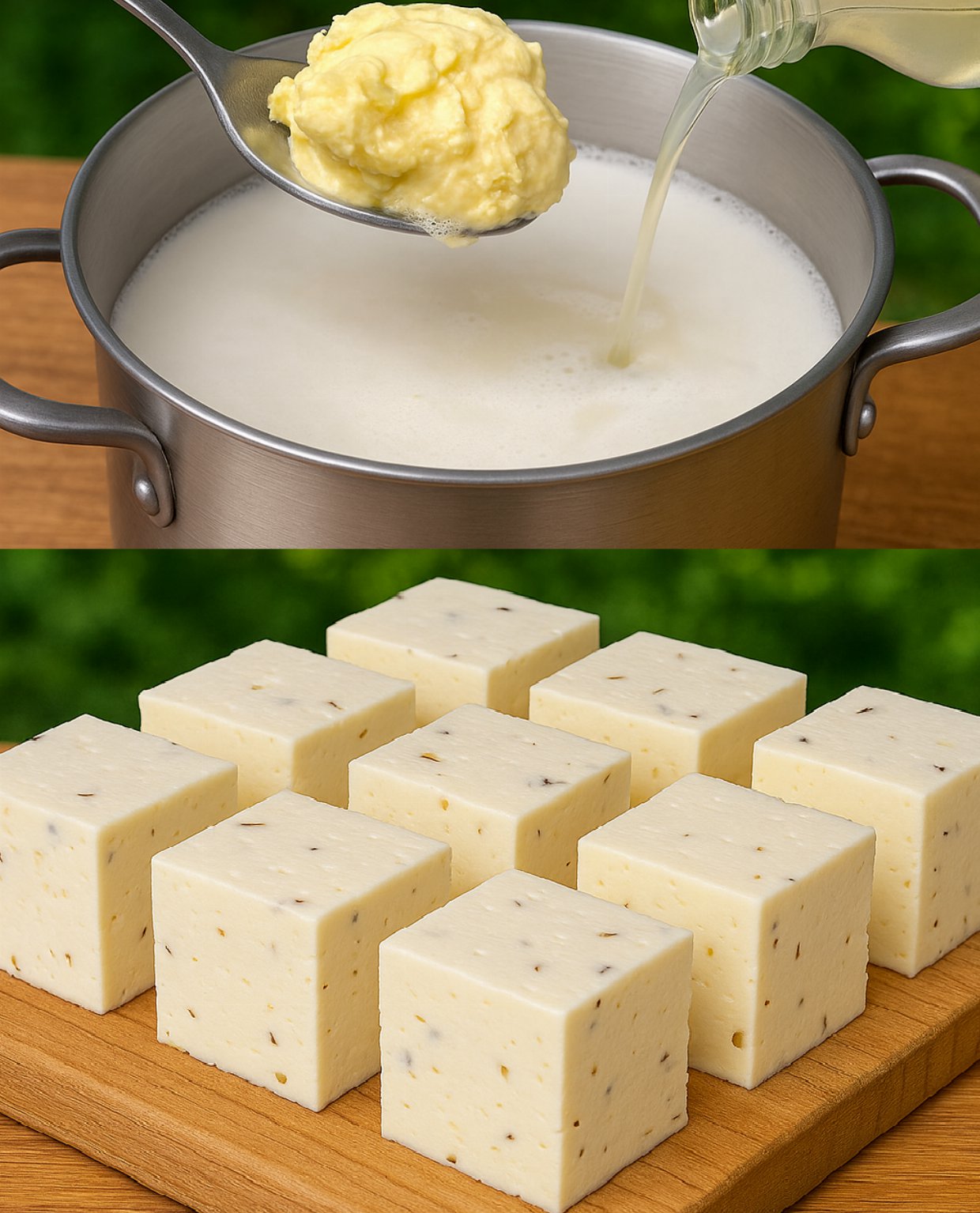
If you’ve ever dreamed of making cheese at home but felt intimidated by the process, this Homemade Herb Cheese recipe is for you. Using just a few basic ingredients—milk, vinegar, salt, butter, and herbs—you can create a beautifully soft, spreadable cheese with incredible flavor and a touch of rustic charm.
This cheese is creamy, fresh, and richly infused with Provencal herbs that elevate its taste to something truly special. Whether you spread it on warm bread, crumble it over salads, or serve it on a charcuterie board, you’ll be amazed at how satisfying and versatile this homemade cheese is. And the best part? You don’t need any special equipment or experience—just a pot, a cloth, and a few simple steps.
Cooking Time
-
Preparation Time: 10 minutes
-
Cooking Time: 15 minutes
-
Draining & Chilling Time: 1 hour 15 minutes
-
Total Time: Approximately 1 hour 40 minutes
Ingredients You’ll Need
-
1.5 liters full-fat milk (about 6 1/3 cups)
-
2 tablespoons apple cider vinegar (30 ml)
-
Salt, to taste
-
50 grams melted butter (1/4 cup)
-
1 tablespoon Provencal herbs (15 ml)
Note: Make sure to use fresh, full-fat milk. Skim, UHT (ultra-pasteurized), or long-life milk often fails to curdle properly, which affects both the yield and texture. For creamy, rich curds, stick with the real stuff—you’ll taste the difference.
Step-by-Step Cooking Directions
1. Heat the Milk
Pour the full-fat milk into a large, heavy-bottomed saucepan.
Place the pan over medium heat and stir occasionally to prevent the milk from scorching.
Heat until it reaches a gentle simmer—don’t let it boil. Watch for small bubbles forming around the edges.
2. Add Vinegar to Curdle
Once the milk is hot and steamy, slowly pour in the apple cider vinegar while stirring gently.
Within moments, you’ll see the milk separate into soft white curds and a pale yellow whey.
Stop stirring once curdling begins and let the pot sit undisturbed for 5 minutes.
3. Strain the Curds
Line a colander with a cheesecloth or a clean kitchen towel and place it over a large bowl.
Pour the curdled milk into the lined colander and let the whey drain out.
Allow it to rest and drain for 10–15 minutes, or longer if you prefer drier cheese.
4. Mix in Flavor
Gather the edges of the cheesecloth and gently squeeze out any remaining whey.
Transfer the curds into a clean mixing bowl.
Add a generous pinch of salt and stir in the melted butter for creaminess.
Finish by folding in the Provencal herbs until evenly distributed.
5. Shape and Chill
You can press the cheese into a small mold or shape it into a rustic ball by hand.
Wrap it in plastic wrap or place it in a sealed container.
Refrigerate for at least 1 hour to firm up the texture before serving.
Nutritional Information (Per Serving, Approx.)
-
Calories: 180
-
Fat: 15 g
-
Protein: 8 g
-
Carbohydrates: 2 g
-
Calcium: 250 mg
-
Sodium: Varies based on salt added
The Origins and Popularity of Homemade Cheese
Homemade cheese has been part of traditional cuisines for thousands of years, with roots in regions across the Middle East, Asia, and Europe. Simple acid-curdled cheeses like paneer, queso fresco, and farmer’s cheese are still staples in many cultures today.
What makes this version modern is the inclusion of Provencal herbs and butter, transforming a basic curd into a rich, spreadable delicacy with French countryside flair. As people seek more wholesome and DIY food experiences, this kind of simple home cheesemaking is becoming increasingly popular around the world.
Reasons Why You’ll Love the Recipe
-
Only five ingredients
-
No special equipment needed
-
Creamy, fresh, and lightly tangy
-
Customizable with herbs or spices
-
Ready in under 2 hours from scratch
-
Healthier and fresher than many store-bought cheeses
-
Great for charcuterie boards, sandwiches, or as a spread
Health Benefits
-
High in calcium, promoting healthy bones and teeth
-
Good protein source to support muscle repair
-
Low-carb, making it keto-friendly
-
Made from whole milk, which contains healthy fats and fat-soluble vitamins like A and D
-
Apple cider vinegar may aid digestion and blood sugar control
-
Herbs like oregano, thyme, and rosemary are rich in antioxidants
Serving Suggestions
-
Spread on crusty bread or crackers
-
Use in sandwiches, wraps, or grilled cheese
-
Crumble over salads or roasted vegetables
-
Pair with olives and fresh fruit on a cheese platter
-
Use as a base for herb cheese dips or spreads
-
Melt slightly over baked potatoes or pasta
Common Mistakes to Avoid
-
Overheating the milk – boiling may alter the flavor and texture
-
Using ultra-pasteurized milk – it often doesn’t curdle properly
-
Stirring too vigorously after adding vinegar – this can break the curds
-
Not draining long enough – too much moisture can make the cheese watery
-
Adding herbs before draining – the flavors can get diluted or strained out
Pairing Recommendations
-
Bread: Rustic sourdough, rye, or flatbread
-
Fruits: Grapes, figs, or apple slices
-
Drinks: Dry white wines (Sauvignon Blanc), herbal teas, or sparkling water
-
Spreads: Tomato chutney, fig jam, or honey for contrast
Cooking Tips
-
Adjust salt and herbs to taste after draining the cheese
-
Add a splash of cream to the butter for an even richer flavor
-
Try warm herbs like rosemary or thyme for a deeper aromatic profile
-
Use a tight cheese mold if you want a clean, professional shape
-
Save the whey – it’s great for soups, bread baking, or smoothies
Similar Recipes to Try
-
Homemade Ricotta
-
Fresh Paneer (Indian Cottage Cheese)
-
Queso Fresco (Mexican Fresh Cheese)
-
Labneh (Middle Eastern Yogurt Cheese)
-
Goat Cheese Logs with Herbs
-
Lemon Herb Cream Cheese Spread
Variations to Try
-
Chili Cheese: Add red pepper flakes for a spicy kick
-
Lemon Cheese: Substitute vinegar with lemon juice for a citrusy note
-
Garlic & Chive Cheese: Fold in roasted garlic and chopped fresh chives
-
Smoked Cheese: Use smoked salt or smoked paprika
-
Sweet Version: Add honey, cinnamon, and dried fruit for a dessert-style cheese
Ingredient Spotlight: Provencal Herbs
Provencal herbs are a fragrant blend from southern France that typically includes rosemary, thyme, oregano, marjoram, savory, and sometimes lavender. These herbs are not only flavorful but also rich in antioxidants and anti-inflammatory compounds. They bring a Mediterranean flair to dishes and complement the creamy richness of cheese beautifully.
Conclusion
Making your own Homemade Herb Cheese is an incredibly satisfying and surprisingly easy culinary project. With just a few fresh ingredients and a bit of time, you can create a rich, creamy cheese that rivals anything you’d find in a gourmet shop. It’s versatile, delicious, and infinitely customizable—perfect for anyone who loves good food made from scratch. Once you taste this fresh cheese, you’ll understand why it’s worth the effort every time.
10 Frequently Asked Questions
1. Can I use lemon juice instead of apple cider vinegar?
Yes! Lemon juice works just as well to curdle the milk and gives the cheese a slightly citrusy note.
2. What kind of herbs can I use besides Provencal?
Try dill, chives, parsley, basil, or thyme. Customize based on your taste or what you have available.
3. Can I make this cheese dairy-free?
Unfortunately, non-dairy milk doesn’t curdle like dairy milk. This recipe only works with full-fat animal milk.
4. How long does homemade cheese last?
Stored in the fridge in an airtight container, it lasts for about 4–5 days.
5. Can I freeze this cheese?
It’s best enjoyed fresh. Freezing may alter the texture, making it grainy.
6. What should I do with the leftover whey?
Use it in bread dough, soups, or smoothies. It’s high in protein and very nutritious.
Advertisement
7. How can I make the cheese firmer?
Let it drain longer and press it slightly with a weight. Chilling it overnight also helps firm it up.
8. Is this cheese similar to ricotta or paneer?
It’s closest in texture to ricotta but creamier thanks to the added butter and herbs.
9. Can I double the recipe?
Absolutely. Just scale up all ingredients evenly and use a larger pot.
10. What’s the best way to serve this cheese?
Serve it cold or at room temperature with bread, fresh fruit, or crackers. It’s also great in sandwiches or melted over hot dishes.